Bitcoin for Beginners: What It Is, How It Works and How It’s Taxed
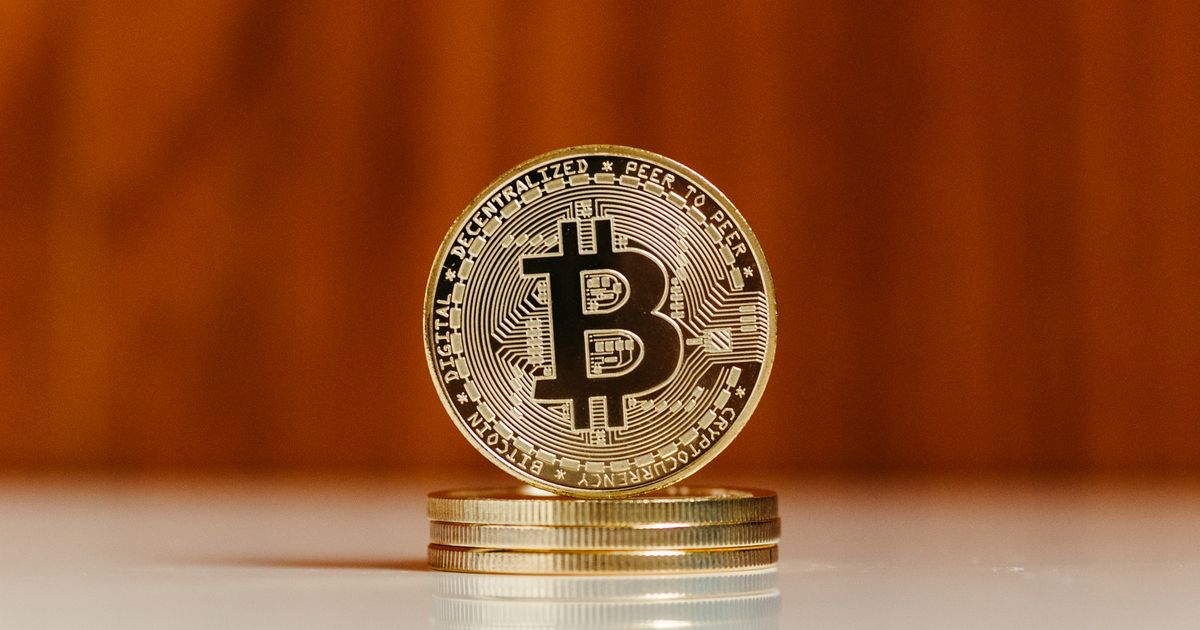
Bitcoin is a digital currency that runs without a central bank: transactions are recorded on a public blockchain kept by thousands of computers. Its supply is capped at 21 million coins by design, and new issuance halves roughly every four years. It is also one of the most volatile assets you can buy: between June 30 and August 21, 2026 it went from $58,625 to $78,338 at the Binance daily close, 34% in under two months.
How it works, in three ideas
- Blockchain: about every ten minutes a block with the latest transactions is added. Changing an old one would mean redoing all the work since, which makes it practically impossible.
- Mining: miners compete with computing power to add the next block and earn a reward in new bitcoins.
- Halving: that reward halves every 210,000 blocks. The latest was at block 840,000 in April 2024, cutting it to 3.125 BTC. That is how supply never goes above 21 million.
What to know before you buy
- Volatility: 5% or 7% days are common. Our news covers every day Bitcoin moves more than 7%.
- No deposit insurance: crypto held on an exchange is not covered by FDIC or SIPC protection the way bank deposits or brokerage securities are.
- Scams: be wary of guaranteed returns, “account managers” who message you on social media and sites that mimic well-known exchanges.
How to buy and keep Bitcoin
- Choose a regulated platform available in your state, and check how it holds customer assets.
- Buy only what you can afford to lose: fractions are fine (1 BTC is 100 million satoshis).
- Decide where to keep it: on the exchange (easier) or in your own wallet, ideally a hardware wallet. With your own wallet, the recovery phrase is your money: never share it or store it as a photo.
If you are going to trade it
With its volatility, position size matters even more than in forex. A stop 5% from price with $100 at risk calls for a much smaller position than most people would buy by eye. BTC/USD lot size calculator.
Taxes in the US
The IRS treats digital assets as property, not currency: selling Bitcoin, swapping it for another coin or spending it can produce a capital gain or loss, and Form 1040 asks every filer whether they had digital asset transactions. Brokers report gross proceeds on Form 1099-DA for transactions from January 1, 2025, and cost basis for certain transactions from January 1, 2026.
Sources: IRS (digital assets), Binance daily closes. Information only, not investment advice: crypto can lose most of its value.
Frequently asked questions
How many bitcoins will there ever be?
At most 21 million. The block reward halves every 210,000 blocks (about four years); since the April 2024 halving it is 3.125 BTC.
Can I buy less than one bitcoin?
Yes: one bitcoin divides into 100 million satoshis, so you can buy $10 or $20 worth.
How is Bitcoin taxed in the US?
The IRS treats digital assets as property, not currency: selling, trading one coin for another or spending it can produce a capital gain or loss. Brokers report proceeds on Form 1099-DA from 2025.
Where is it safest to keep Bitcoin?
Small amounts are often kept on a regulated exchange; for larger amounts many people prefer their own hardware wallet, as long as they store the recovery phrase safely.